JACKZER

The SIMAGIC lineup,
without the salesmanship.

Yes, I'm a SIMAGIC ambassador, let's get that out of the way first. What I do bring is a very deep understanding of every SIMAGIC product, plus genuine seat time on gear from pretty much every other manufacturer out there. So I've a fair read on where each piece sits relative to the rest, and what I'd actually recommend to who. Spec sheets first, honest takes second, so you can pick what fits you, not what fits me.

The global code JACKZER is +3% on top of any deal at simagic.com. UK/IRL/EU pricing via Race Anywhere, USA via Apex.

If you asked me at a meetup

The SIMAGIC kit I actually race on.

Not a bundle, not a chart. The four SKUs sitting on my rig, with one honest line on each. If you trust me at all, this is the shortest version of the answer.

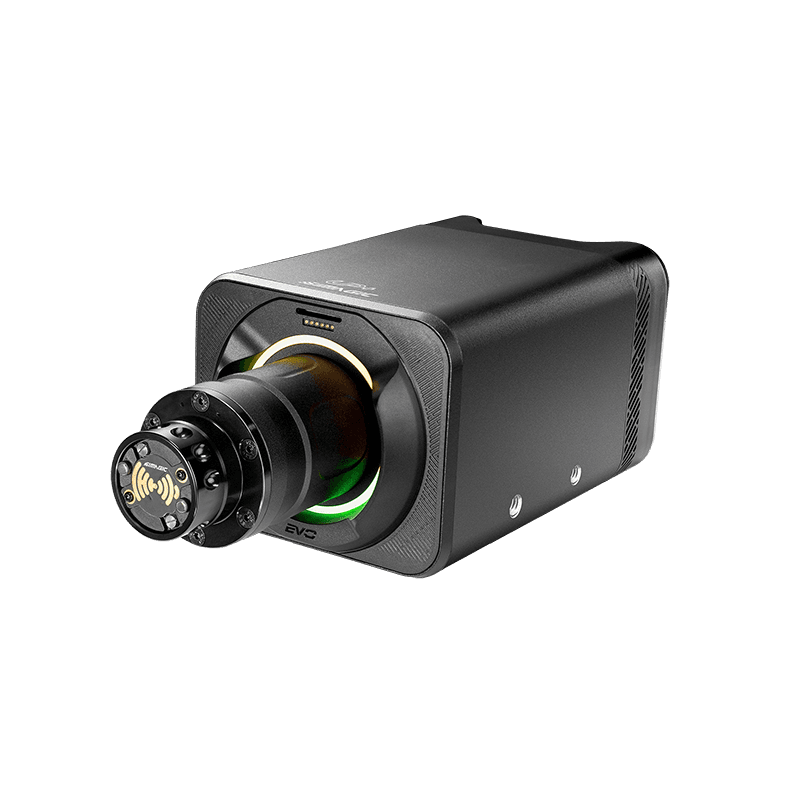
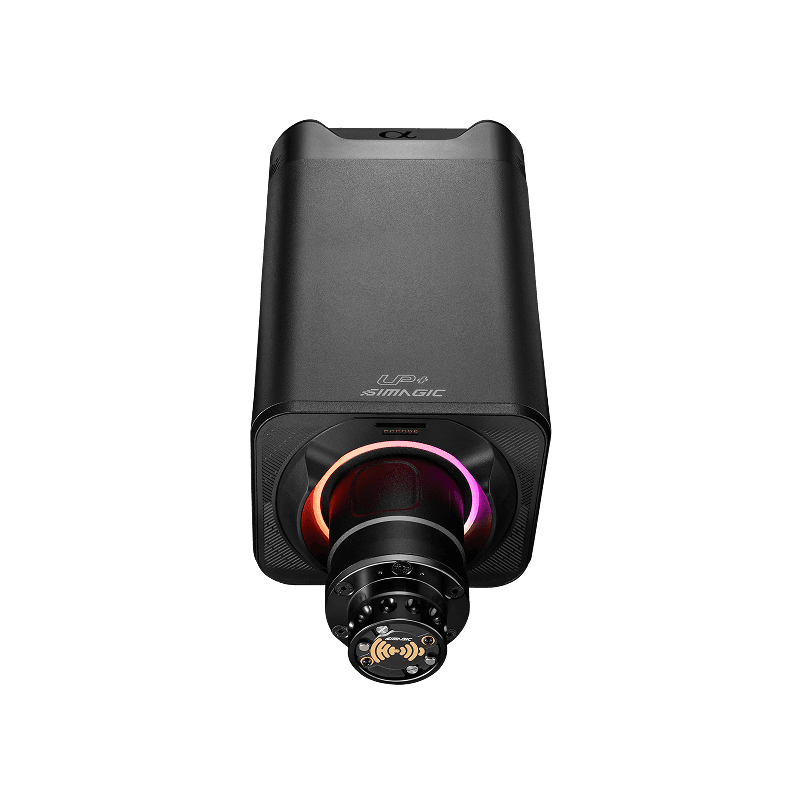
  • Alpha EVO Pro

    Wheelbase

    Alpha EVO Pro

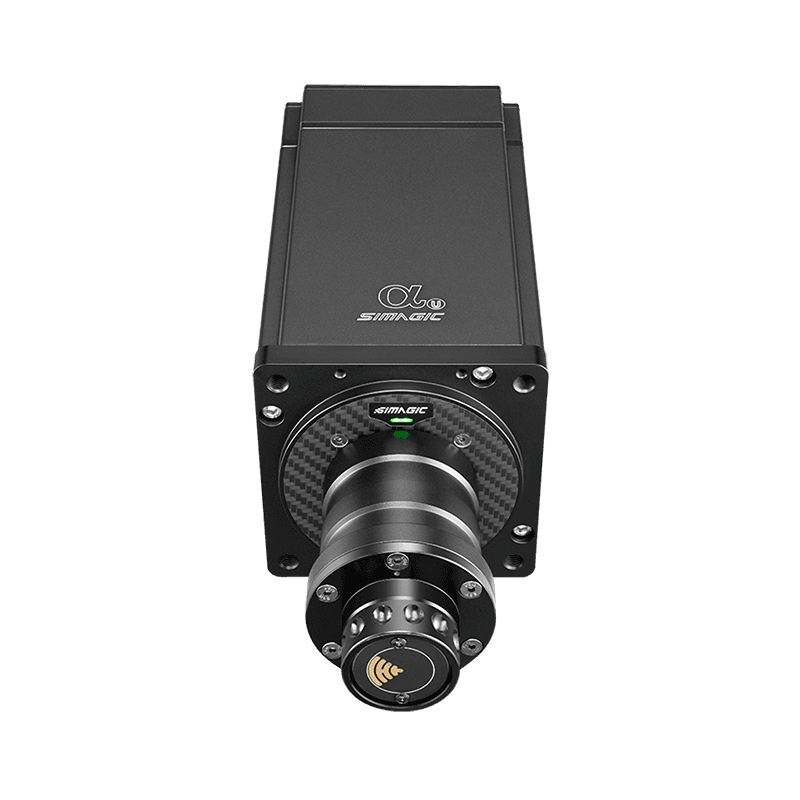
    I prefer a touch more push than average. The 12 Nm EVO is the meet-most-people sweet spot, the Pro is just one rung up. Same EVO platform, same feel character, a little more headroom.

    $699
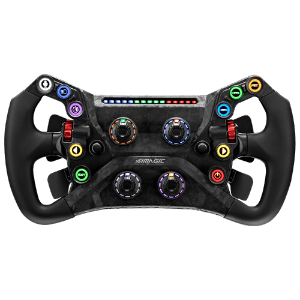
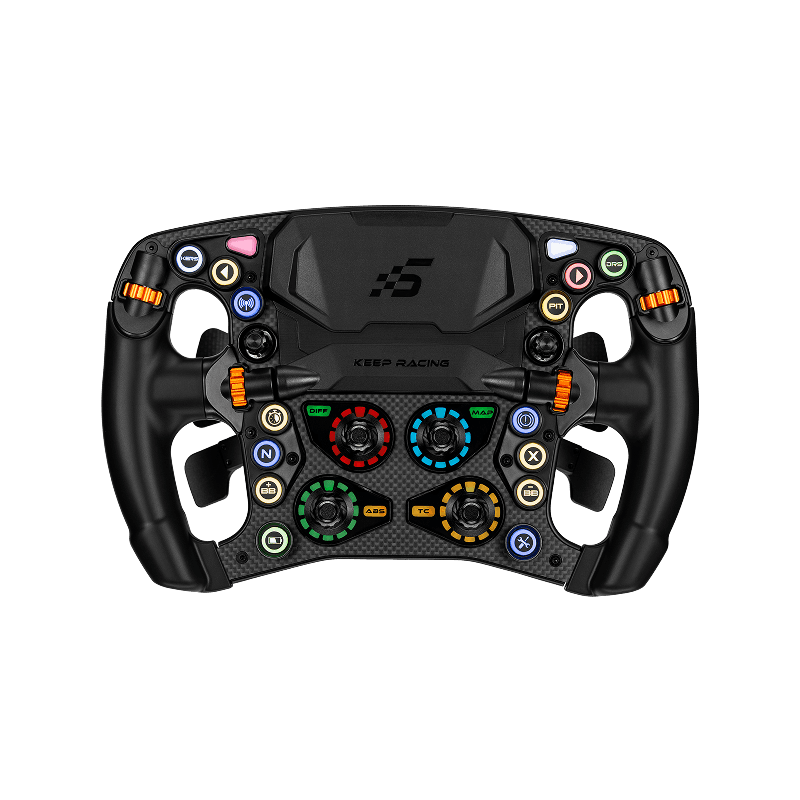
  • GT Neo

    Wheel

    GT Neo

    For my money the GT Neo is the goat of the SIMAGIC range. Light, stiff, SimHub compatible, no screen needed. If you want a rev light, an Etsy bar around $25 mounted to your bezel does the job.

    $239
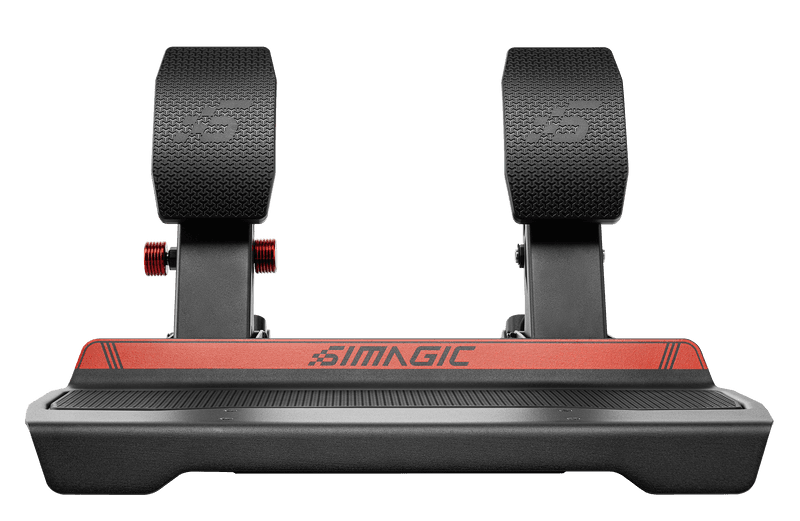
  • P1000

    Pedals

    P1000

    Three-pedal load cell with the Performance Kit on top. Springs you can swap, threshold braking dialled in, no hydraulic fluid to ever worry about leaking. Pair with the HPR for the brake, see the cheat code below.

    $469
  • DS-8X Shifter

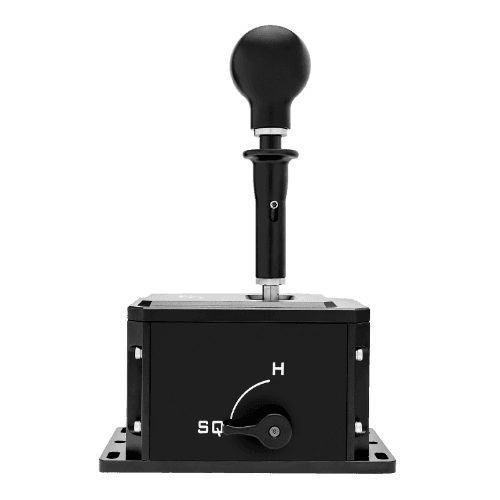
    H-pattern and sequential in one box, flip of a switch and it changes character. The Q1S is the better choice if you only ever want sequential, but for me the DS-8X earns its place by being two shifters in one.

    $299

A note on formula wheels: I'd save money over the FX Pro, honestly. Screens on wheels are overrated for anyone outside a formula driving position. I'm in a GT seat, my eyes are already going past the wheel to the dash on screen and the rev bar on the bezel, the wheel screen barely gets a look in.

Before you press buy

See yourself in
two, three, five years.

The single best piece of advice I can give anyone speccing a SIMAGIC system. Picture yourself in two years, three, five. If the wheelbase you're about to buy already has you saying “I'll upgrade this in a year” before the box is even open, sit on that for a minute.

I bought my Alpha Mini and loved it. About two years in though, I quietly regretted the call. Not because the Mini was bad, it's a tank. Because I'd saved money on the base to put more into the wheel, and at the time I didn't have the experience to know the curiosity for more torque would creep in.

You can't always avoid that pull, especially if you're new and don't know what your future self will want. But where you can, remove doubt at the point of purchase. An extra $150 to skip a rung you know you'd climb in a year is almost always cheaper than upgrading later.

Three honest picks

Where to start, where to land,
where to end up.

Not SIMAGIC bundles, my own. Three combinations that make sense together, priced fairly, and tuned for very different drivers.

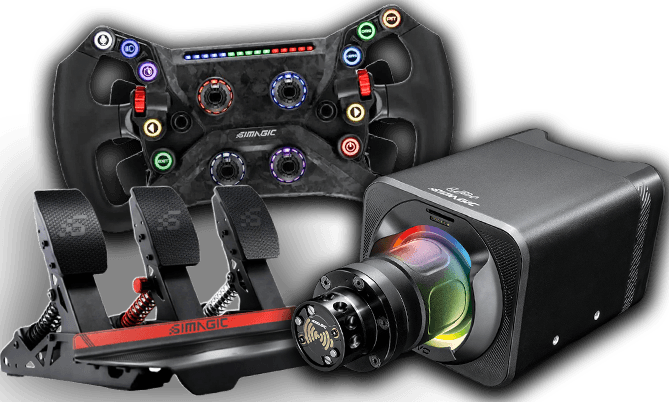
Tier 02 · Most Popular

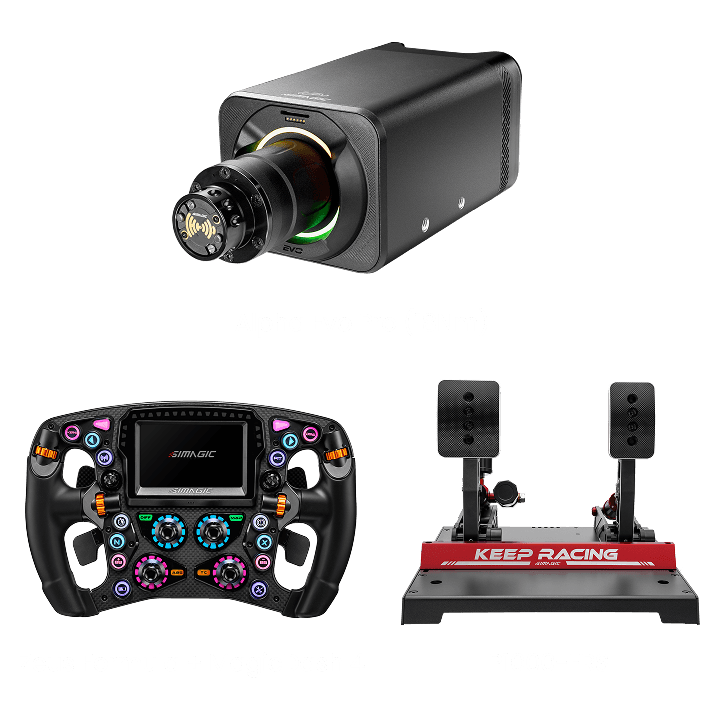
Mid-range SIMAGIC bundle

The 12 Nm sweet spot. Enough force for any GT or open wheeler, pedals that scale.

The combination most people end up settling on for the long term.

From, at MSRP$1,257
Pair withCode JACKZER for 3% off*

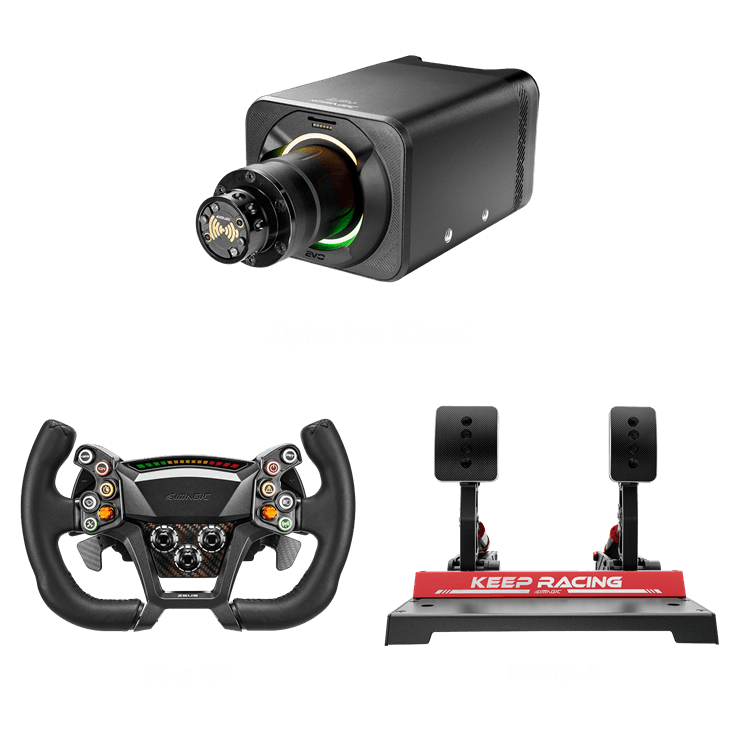
Tier 03 · High-end

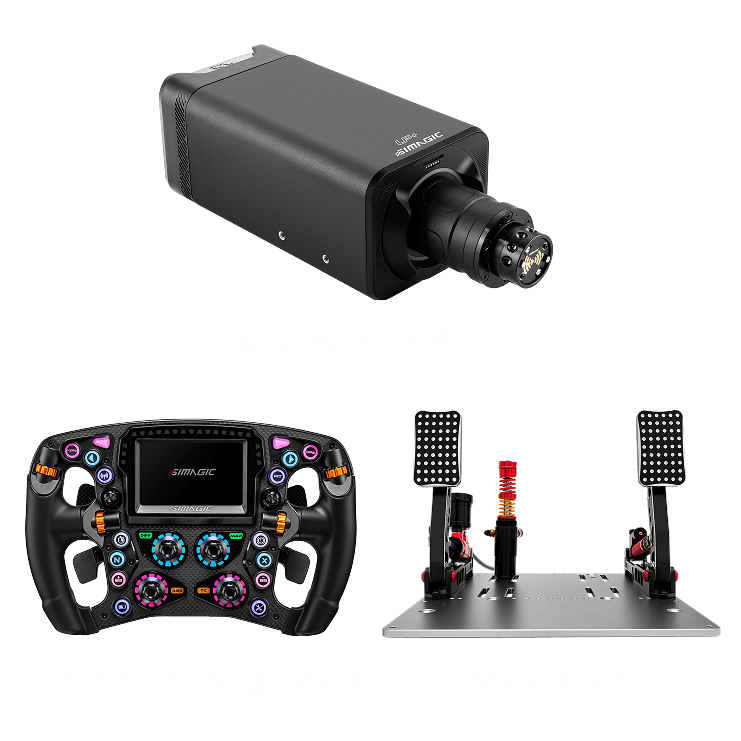
High-end SIMAGIC bundle

Top-spec EVO platform, the new Zeus Formula and MagicDash, pedal choice is yours.

Pedal choice between P1000 and P2000 is a feel decision, not a hierarchy. See the pedal section below.

From, at MSRP$2,136
Pair withCode JACKZER for 3% off*

Wheelbases

The EVO platform, the current generation.

Four bases, 9 Nm up to 28 Nm. Same EVO architecture across the line, you're picking torque and price, not a different product.

For most people the 12 Nm EVO is the meet-most-people sweet spot. Personally I race the 18 Nm Pro, only because I prefer a touch more push than average. Nine Nm is plenty of torque, just leaves me curious for a little more.

But what about the Alphas?

Buying new, EVO every time.
Buying at the right price, an Alpha is hard to argue with.

If you're buying new, I'd point you at the EVO line every time. It's SIMAGIC's current generation, the platform the brand is actively investing in, and the pricing is competitive enough that it makes EVO the obvious call when you're futureproofing what is a serious investment.

That said, the Alpha series is excellent. Look at any SIMAGIC review out there and the Alphas hold up extremely strong, that's fairly uncontested. Older doesn't mean lesser, these bases are very, very good.

The one situation I'd send someone toward an Alpha is if you spot one at a steal of a price. A second-hand find, end-of-line clearance, a deep sale. At the right number, an Alpha is one of the smartest buys in simracing.

The Alpha bases SIMAGIC still ship

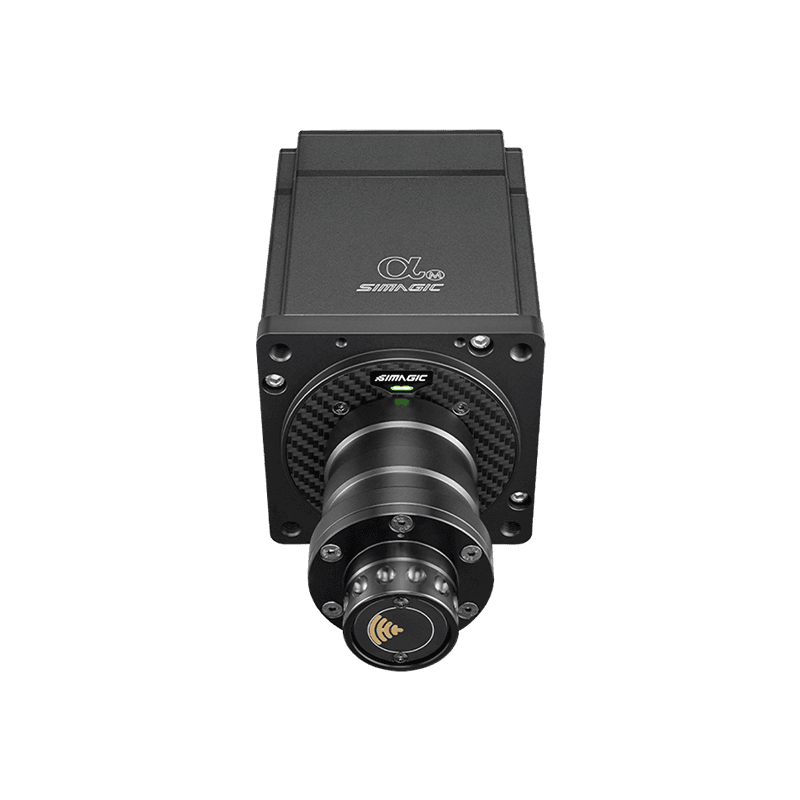
Alpha Mini

Alpha Mini

$399

Compact 10 Nm direct drive, the entry door to SIMAGIC DD.

SIMAGIC.com
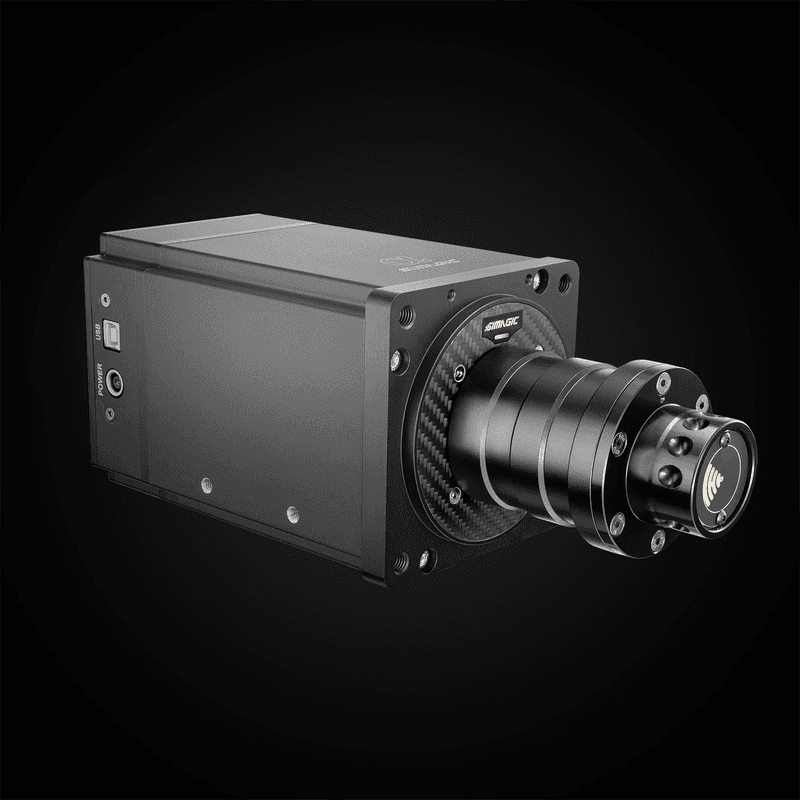
Alpha

Alpha

$649

Original 15 Nm direct drive. Pre-EVO platform, still capable.

SIMAGIC.com
Alpha Ultimate

Alpha Ultimate

$899

23 Nm flagship of the original Alpha lineup.

SIMAGIC.com

Zeus bundles

Wheel and MagicDash, packaged.

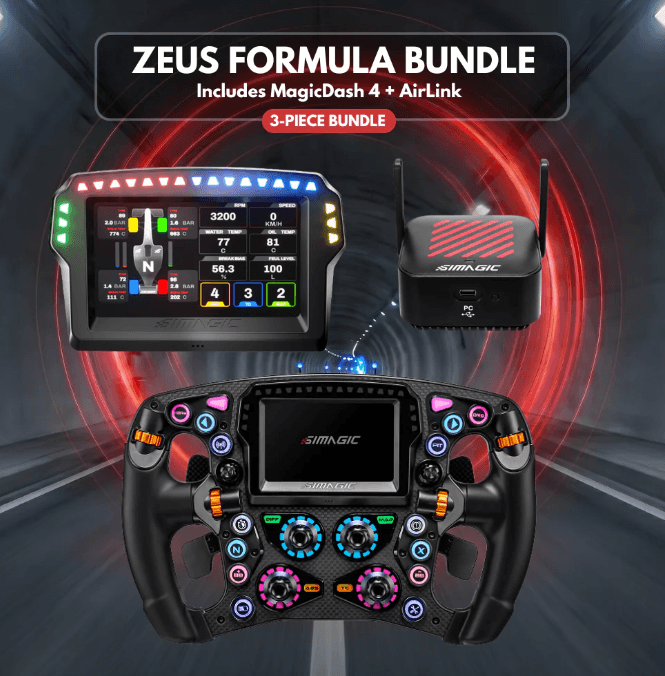
The Zeus wheels ship paired with the MagicDash 4 as a single SKU, wired or fully wireless. Pre-order on SIMAGIC.com right now, shipping starts June 10.

Zeus GT + MagicDash 4$349

Zeus GT + MagicDash 4

Modular 300 mm GT wheel with the 4 inch DDU attached. Wired, GT-style face.

  • Zeus GT wheel
  • MagicDash 4

Wheels

Formula, GT, round, and the Zeus generation.

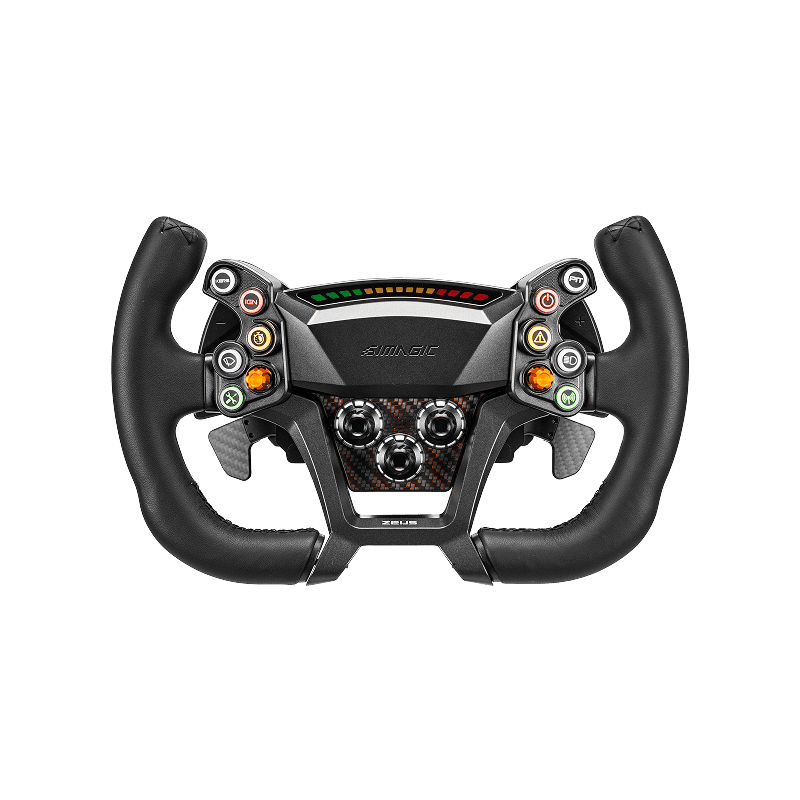
The Zeus series is the newest wheel family, MagicDash 4 integrated. The Neo X Hub turns any QR50 wheel wireless.

Pedals

P700, P1000, P2000.

Three pedal sets across SIMAGIC's range. They're not a ladder, they're three different design choices.

P1000 vs P2000

One is steak.
The other is ham.

Don't read into the naming. The P2000 isn't twice the P1000, it's a different pedal entirely.

Both sit at the top of the SIMAGIC pedal range. Both are load cells under the hood. After that, they go in different directions.

The P1000 is the classic build. A stack of springs and elastomers inside the brake, and you can swap them around to shape exactly how the pedal travels and how the last bit of pressure feels. Threshold braking is a dream on these, you can dial in a setup where the last 20 per cent gets noticeably harder, so getting into accidental lockup is genuinely difficult. The Performance Kit is the unlock here, get it.

The P2000 swaps the spring stack for a dual-pump hydraulic system sitting on top of the load cell. Probably the closest thing I've felt to a real car brake from any SIMAGIC pedal. Different feel, different look, different commitment.

Personally I race the P1000s. I like the simplicity, the ease of swapping springs, the no-leak peace of mind, and the fact they accept the HPR active-pedal motor on the back, which is the cheapest active-pedal feel money can buy. There's a whole callout on that just below.

If you can try both, try both. Whichever one feels right under your foot is the right one for you, not the one with the bigger number on the box.
Cheat code

Active pedal feel
for $70.

The single biggest reason people want active pedals is ABS feel. You can mostly buy your way to it for the price of a decent dinner.

For me, the whole appeal of active pedals comes down to one thing, feeling ABS through the brake. That sharp pulse the second the system kicks in is what makes you instinctively trail off, exactly the way you would in a real car. Everything else about active pedals is nice, but ABS feel is the bit you actually race with.

The trick: the back of the P1000 brake pedal accepts a small haptic motor, the HPR or the cheaper HPR GT. iRacing sends out the same ABS information to every brand of pedals, so the HPR does a genuinely good job of translating that into a real, usable kick under your foot. For the kind of money we're talking about, it brings the pedals to life.

One important note for iRacing players. You only need one. Get the HPR for the brake, leave the throttle and clutch alone. iRacing doesn't feed traction control out to pedals, and you really don't want a vibration on the clutch. One unit, on the brake, around $70. Job done.

Dash and shifters

The supporting cast.

MagicDash 4 plugs into any Zeus wheel magnetically. The Q1S and DS-8X cover sequential and H-pattern shifting.

Wherever you land in the lineup

Use code JACKZER for +3% globally.

Stacks on top of any existing simagic.com promotion. Regional buyers, the UK/IRL/EU and USA links on each card route through Race Anywhere and Apex Sim Racing.

JACKZER with the SIMAGIC sim and Zeus wheel

Channel partners