
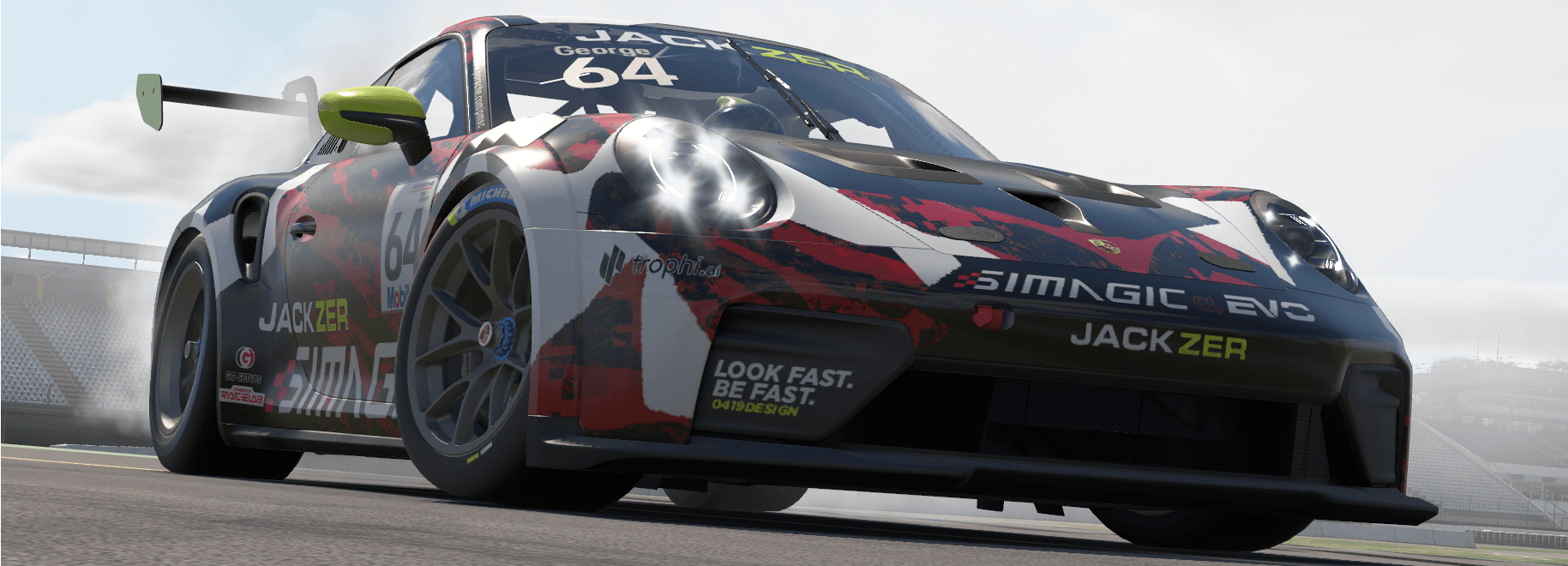
The part of simracing
nobody talks about.
I've been simracing for over a decade. I studied psychotherapy along the way. At some point I noticed they were the same subject.
Most of what gets said about simracing is technical. Hardware, setups, lap times, what tyre at what temperature. There's almost no one in the niche who talks seriously about the mental side of it, and even fewer who treat it as something that actually shapes the person doing it.
That's the gap this work fills.
I studied psychotherapy. Not as a hobby, formally, in college. And somewhere between the lectures and the laps it became impossible to unsee. The choking under pressure. The ego that costs you a race you had won. The way frustration compounds until you're no longer driving the car, you're fighting it. These aren't quirks of simracing. They're patterns. Documented, understood, and very trainable, if you know what you're looking at.
Most simracers don't have someone in their corner who does.
The longer I spend in a rig, the more obvious it becomes that simracing isn't really about the lap times. It's a place where the uncomfortable parts of being a person get rehearsed in safety. You make a mistake under pressure and the consequences are immediate, visible, and yours alone. You lose a race you should have won. You catch yourself blaming someone else for contact you caused. You notice that your worst laps tend to come right after your fastest.
Simracing puts a magnifying glass on
It's a training lab for some of life's toughest emotions and skills.
Most people don't notice it happening. They show up to race, they go home. The ones who stick with it long enough start to spot the pattern. The track teaches you about yourself, lap after lap, whether you want it to or not. You can argue with that, or you can pay attention.
Simracing reveals who you are. And then it gives you ten thousand laps to become someone better.
This is where I write and talk about that.
Watch
The videos people come back to.
A selection from the Simracing Psychology series on YouTube.
 01Watch
The Lie Every Simracer Believes
The one thing nearly every simracer takes for granted, and why it's quietly costing you.
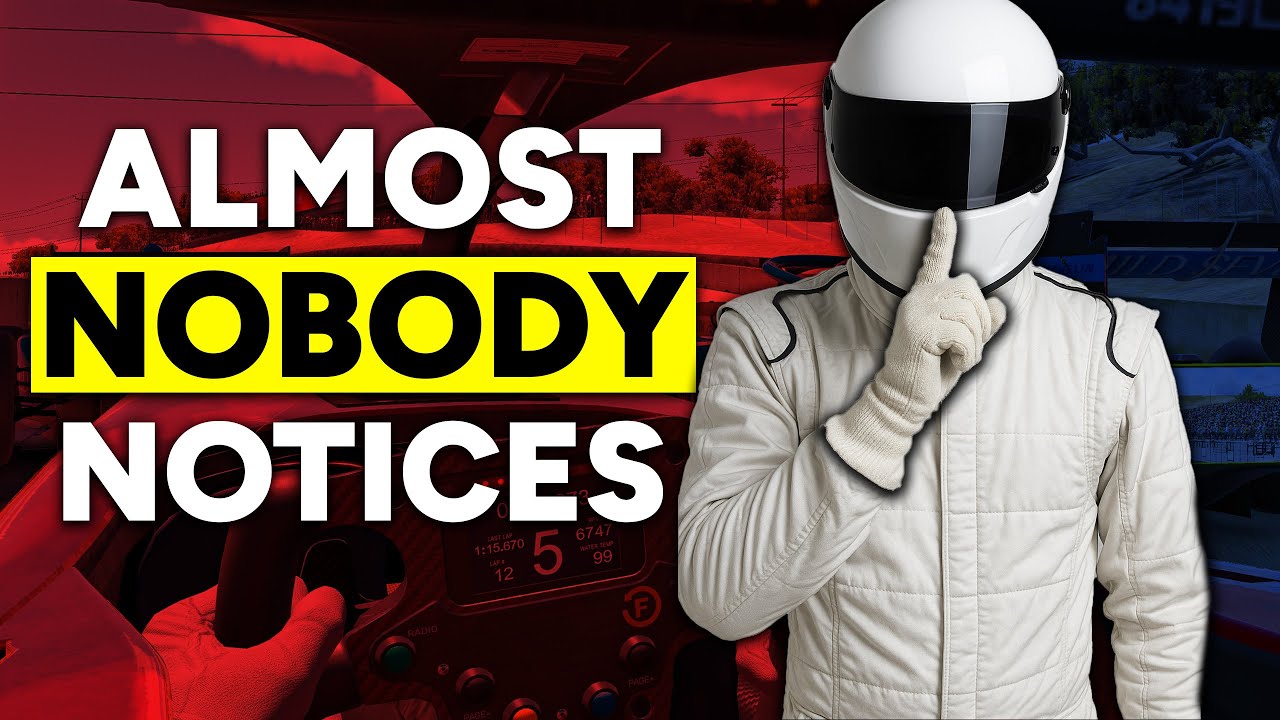 02Watch
The HIDDEN Reason Simracing Is Good for YOU (10 Years Later)
Ten years in, the part of this hobby that actually changes the person doing it.
 03Watch
Why Overthinking Makes You Slow
The mental loop that turns a fast driver into a hesitant one, and how to break it.
 04Watch
Why Your Leg Shakes in High-Pressure Races
What's actually happening to your body when the moment gets big, and what to do about it.
 05Watch
The Pro Vision Secret You've Never Heard About
Where the fast drivers are actually looking, and why most of us are looking in the wrong place.
 06Watch
It Took Me Years to Stop Doing This
The habit that kept me slow for longer than I want to admit. Maybe it's keeping you slow too.
Read
Longer pieces, in writing.
Some ideas need more room than a video gives them. Each essay sits at the intersection of simracing and the psychotherapy I studied along the way.
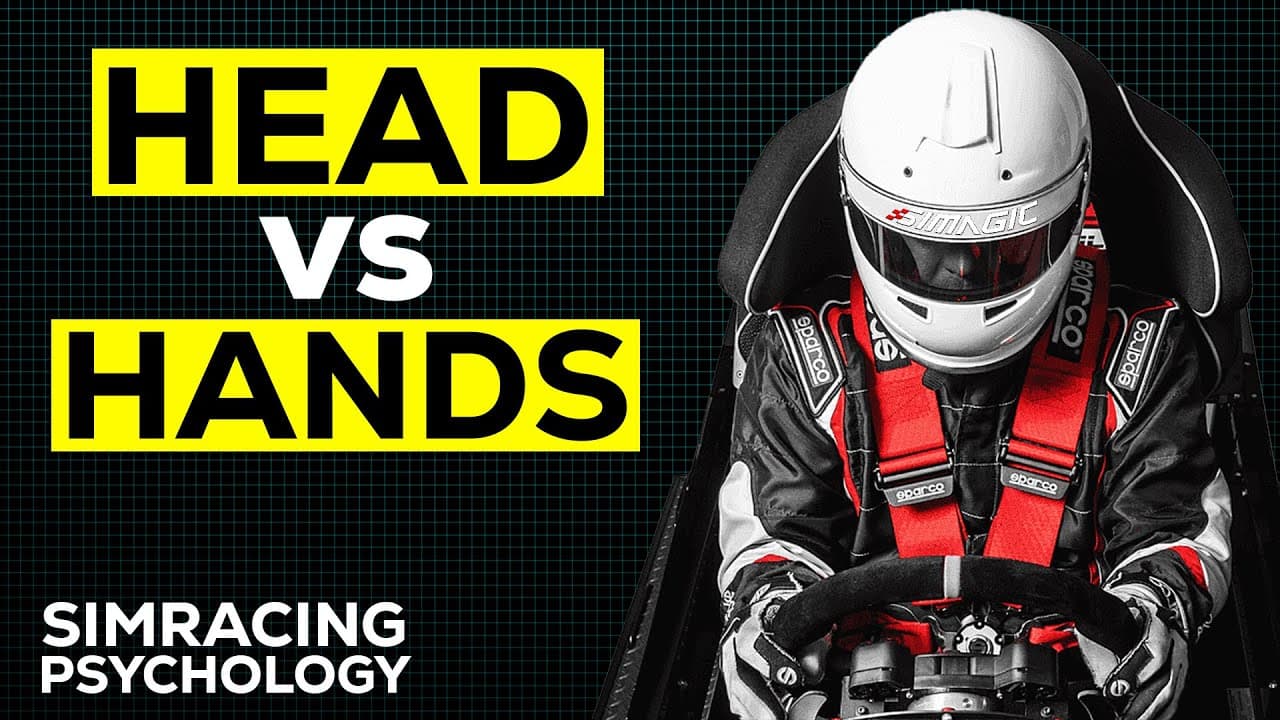
The Reinvestment Trap
Why you nail it in practice and bottle it in the race. The sports-psychology pattern behind choking under pressure, and four practical fixes.
Read the essay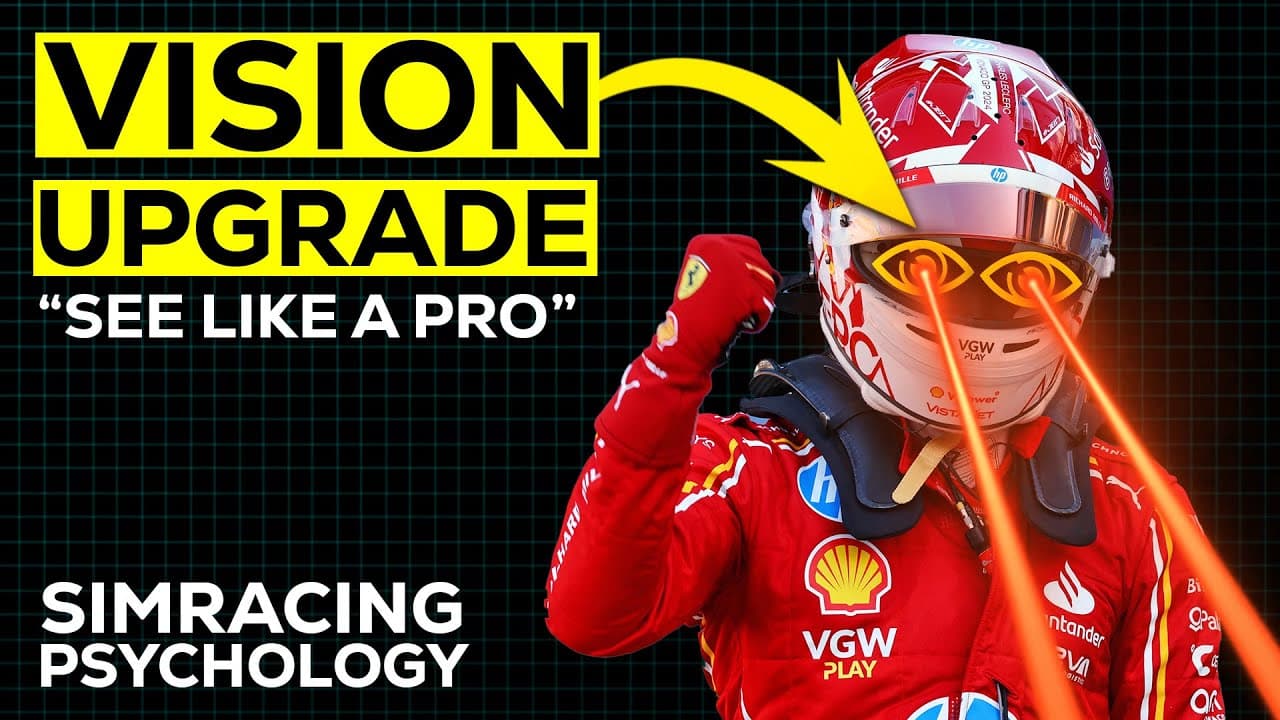 Essay
EssayThe Quiet Eye in Simracing
The pro vision secret nobody told you about. Where elite drivers actually look in the second before a corner, and how to train yours.
Read Essay
EssayThe Lie Every Simracer Believes
The one assumption nearly every simracer takes for granted, and why it's quietly costing you laps, races, and the joy you came in for.
Read Essay
EssayWhy Your Leg Shakes in High-Pressure Races
On somatic anxiety, why your leg trembles on the brake when the pressure spikes, and the four steps to channel it instead of fight it.
ReadStay close
If any of this lands for you,
this is where you'll find me.
Subscribe on YouTube
@JACKZERYT
New videos most weeks
Follow on Twitch
@Jackzertv
Daily streams
Join the Discord
Join the server
The community
If you'd rather work on this one to one, I do a small amount of private coaching.

Written by
Jack Wynne / JACKZER
Irish simracing content creator and SIMAGIC ambassador
I'm Jack. I race, I make videos about it, and I've spent years in the simracing community watching the hardware market grow up around it. Before any of this I was an electrician, so I've always been a tinkerer. I like taking a product apart in my head and asking how it could look better, work better, or just make more sense.
I also studied psychotherapy, which helps me understand what's going on in my own head when I drive, and sometimes helps me explain it in a way that's useful to you too.